State expands definition of “habitability” to include essential kitchen appliances
California has enacted a new housing law that requires all residential rental units to include working stoves and refrigerators, a change aimed at improving basic living standards—particularly in the state’s most expensive rental markets.
While the requirement may sound obvious to renters outside California, it marks a meaningful shift in a state where tenants—especially in Southern California—have historically moved into units without a refrigerator.
“This is the first statewide law of its kind,” said Johana Williams, Regional Manager at Utopia Management in San Diego. “In many other states, landlords may legally require tenants to provide their own refrigerator, but it’s uncommon. In California, particularly in high-cost
Southern markets, it was much more typical.”
What the New Law Does
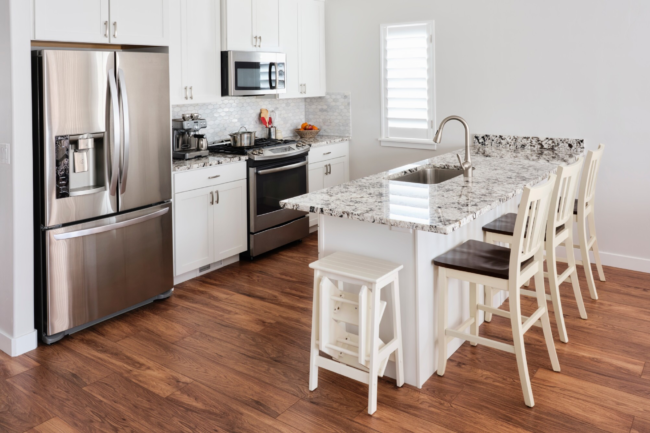
Under Assembly Bill 628 (AB 628), rental units must now include:
- A stove capable of safely producing heat for cooking
- A refrigerator capable of safely storing food
- Both appliances must be maintained in good working condition
Previously, California law required rental units to provide essentials such as heat and hot water, but kitchen appliances were considered optional amenities rather than necessities.
AB 628 formally expands the legal definition of a “habitable” or “tenantable” unit to include these core appliances.
Why the Change Matters
The law is primarily aimed at closing a gap between large institutional landlords and smaller, independent property owners.
National multifamily operators—such as those managing luxury and high-rise developments—already include stoves and refrigerators as standard features. However, many smaller properties and “mom-and-pop” rentals did not.
“In markets like San Diego and Los Angeles, larger apartment communities almost always included refrigerators, even before this law,” Williams said. “The bigger issue has been smaller rentals and nontraditional units.”
These nontraditional units can include garage conversions, older duplexes, or small apartment buildings where landlords historically passed appliance costs onto tenants.
Who Is Most Affected
The new requirements are expected to have the greatest impact on:
- Small and independent landlords
- Older apartment buildings
- Converted units, such as garage apartments or accessory dwellings
In the past, excluding appliances helped some landlords keep upfront costs—and rents—lower. But it also placed a financial and logistical burden on renters, who were responsible for purchasing, transporting, and later relocating large appliances.
That burden now shifts to property owners